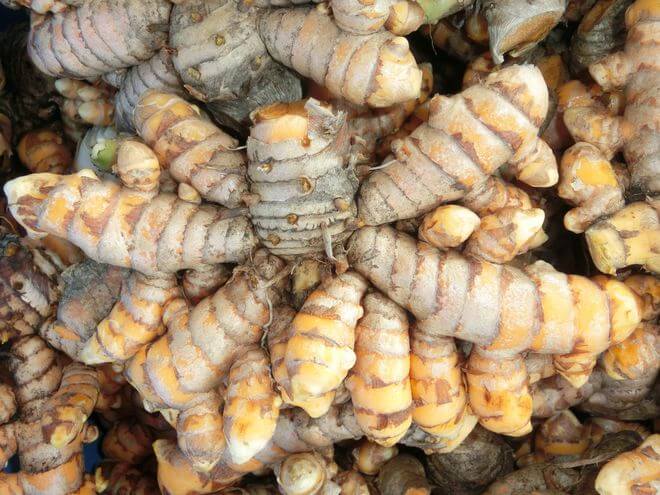
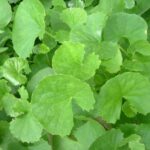
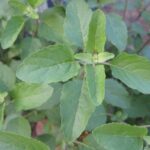
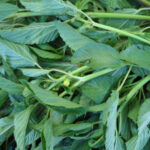
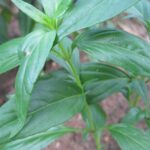
Curcuma longa (Turmeric) contains curcuminoids (natural vibrant yellow pigments) which include curcumin, demethoxycurcumin, and bisdemethoxycurcumin. Turmeric also contains volatile oils (turmerone, atlantone, and zingiberone). Extensive research and clinical trials indicate that curcumin, the primary bioactive constituent of turmeric, is a powerful natural antioxidant and anti- inflammatory that leads to the improvement of cardiovascular health, digestive health, brain, liver, lung, and kidney function, joint inflammation suppression, allergy prevention, reduction of high blood sugar and lipids, strengthening the immune system, and cancer prevention. Curcumin has been found to have potential as a therapeutic agent in diseases such as inflammatory bowel disease, pancreatitis, arthritis, and chronic anterior uveitis, as well as certain types of cancer.
Curcumin has a comprehensive pharmacological function, good safety and innocuity, but its low bioavailability limits its clinical application and usefulness. Black pepper (Piper nigrum) or paminta is the primary source of an alkaloid known as piperine which serves as a bio-enhancer to increase the absorption rates and activity of curcumin by significantly preventing the rapid elimination of curcumin from the body. Studies have shown that piperine can increase the bioavailability of curcumin by up to 2000% thereby maximizing its health benefits.
OTHER NAMES: Luyang dilaw, Kalawag, The Golden Spice